Flu Shots for Kids: Why Your Child Needs One Every Year
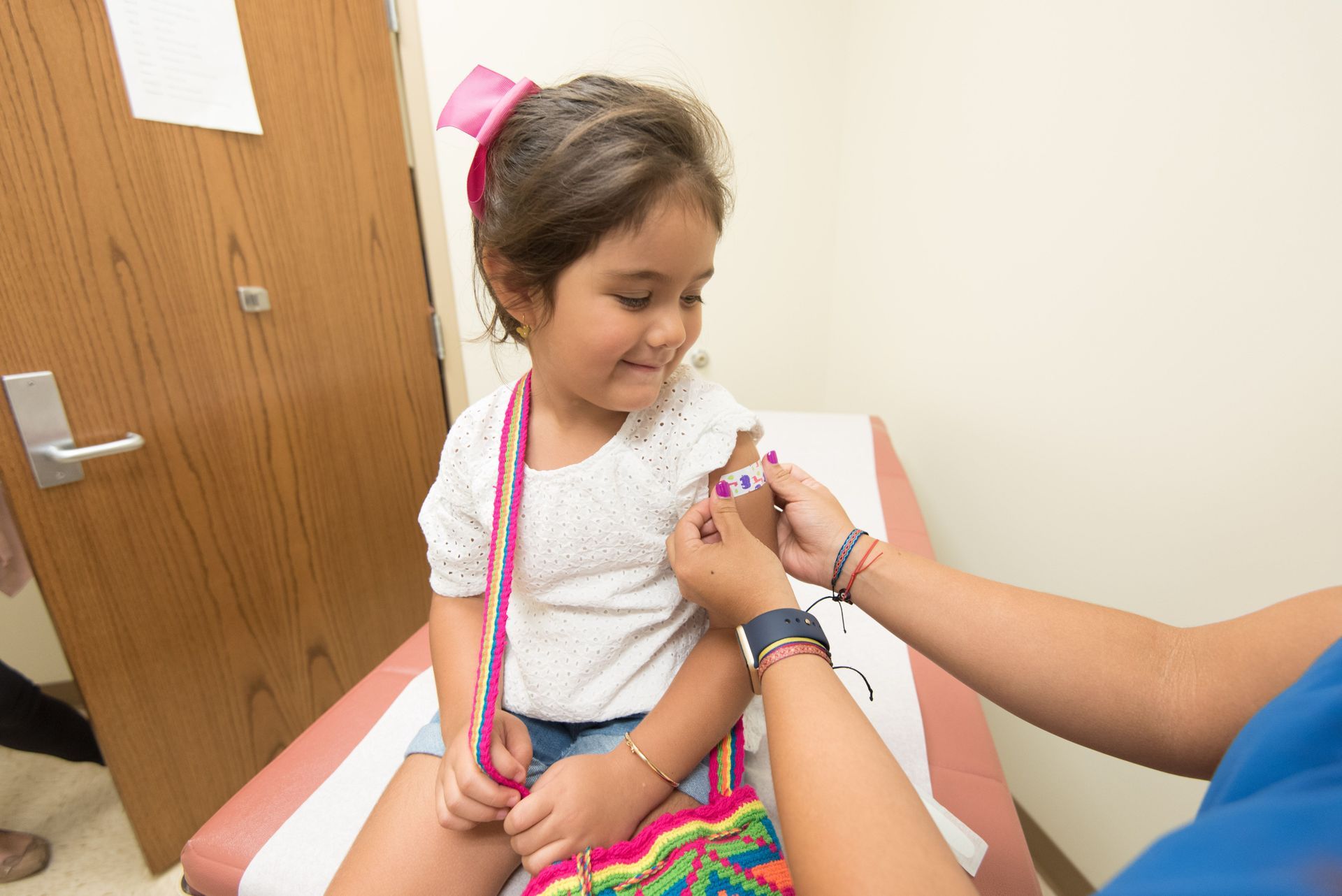
Every child 6 months and older should get a flu shot every year, because flu viruses change from season to season and the protection from last year's vaccine fades over time. At Shine Pediatrics in Bellevue, WA, the flu vaccine is offered in season at well child visits from 6 months of age onward, so staying protected can fit right into the care your family already gets with us.
Is it too late to get a flu shot in December or January?
Usually not. Flu often keeps circulating well into spring, so a shot later in the season still offers real protection. If your child missed their fall dose, give us a call.
Can my child get the flu shot at the same visit as other vaccines?
Yes. The flu vaccine can safely be given alongside other routine vaccines, which is one reason we offer it during well child visits.
Can kids with an egg allergy get a flu shot?
In most cases, yes. Children with egg allergies can receive the flu vaccine. If your child has had a severe reaction to a past vaccine, let us know before their appointment so we can talk it through.
What if my child isn't due for a checkup?
You don't have to wait for the next well visit. Call our office at 425-598-2646 and we'll help you find the best way to get your child vaccinated.
Flu season arrives every year, and so does the question of whether kids really need another shot. As a nurse practitioner–owned practice built on relationship-based care, Shine Pediatrics wants families on the Seattle Eastside to feel confident about that choice.
Below, we explain why the vaccine is recommended yearly, which kids face the highest risk, what side effects to expect, and how to sort fact from fiction. You can also find vaccine handouts on our Immunizations page.
Why does my child need a flu shot every year?
Unlike some childhood vaccines that offer long-lasting protection after a set series, the flu vaccine works on a yearly cycle. There are two main reasons:
- The virus keeps changing. Flu strains shift from one season to the next, and each year's vaccine is updated to target the strains expected to spread most.
- Protection wears off. Immunity from a flu shot declines over the months after vaccination, so a shot from last fall won't reliably carry your child through this winter.
Even in a year when the vaccine isn't a perfect match, it still helps. Vaccinated children who do catch the flu tend to have a milder illness and are less likely to need hospital care. Getting vaccinated in early fall, ideally by the end of October, gives your child's body time to build protection before flu activity peaks.
Are kids really at risk for serious flu complications?
Yes. Flu is often brushed off as a bad cold, but it can hit children hard. Kids under 5, and especially those under 2, are more likely to develop complications. So are children with ongoing health conditions such as asthma, diabetes, heart disease, neurologic conditions, or a weakened immune system. Still, it's important to know that many children who become seriously ill from the flu were healthy beforehand.
Possible complications of flu in children include:
- Pneumonia and other lung infections
- Dehydration from fever, vomiting, or poor drinking
- Ear and sinus infections
- Flare-ups of chronic conditions, such as asthma attacks
- Rarely, inflammation of the brain, heart, or muscles, or a body-wide infection (sepsis)
If your child is already sick and you're unsure whether they need to be seen, our Is Your Child Sick? guide can help. We also offer sick child visits and telehealth appointments when you need us.
Why do some children under 9 need two doses?
Children ages 6 months through 8 years who are getting the flu vaccine for the first time, or who haven't had at least two doses in past seasons, need two doses given at least four weeks apart. A young immune system that has never met the flu vaccine needs the first dose to "prime" it and the second dose to build full protection. One dose alone leaves these children less protected.
Because of that four-week gap, it helps to schedule the first dose early in the season so the second dose is done before flu is widespread. Once your child has completed the two-dose start, they'll only need one dose each year after that. Not sure what your child has had?
Send us a secure message through the Patient Portal or ask at your next visit, and we'll check their record.
What side effects are normal after a flu shot?
Most children have no reaction at all, and when side effects do happen, they're usually mild and short-lived. Common ones include:
• Soreness, redness, or swelling where the shot was given
• A low-grade fever
• Muscle aches
• Tiredness or extra fussiness
• Runny nose or congestion (with the nasal spray version)
These typically fade within a day or two. A cool cloth on the arm, gentle movement, extra fluids, and rest can help. For fever or discomfort, check our Medicine Dosages page for weight-based guidance. Call us if your child has a high fever or symptoms that last more than a few days. Signs of a serious allergic reaction, such as hives, facial swelling, or trouble breathing, are rare, but call 911 right away if they occur.
When should we schedule our child's flu shot?
Early fall is ideal, but any time during flu season is better than skipping it. Our well child visit schedule includes the flu vaccine in season at nearly every checkup from 6 months through the teen years, making it easy to stay on track.
We're open Monday through Friday from 8am to 5pm and Saturday from 9am to 12pm. If shots make your child nervous, you may be glad to know we're a KultureCity Certified Sensory Inclusive practice. We also offer interpreter services so every family can ask questions comfortably.
What flu shot myths should parents stop believing?
Myth: The flu shot can give my child the flu.
Fact: The flu shot contains either inactivated virus or a single viral protein, so it cannot cause the flu. Mild aches or a low fever afterward are signs the immune system is responding, not an infection. If your child catches a cold soon after, it's a coincidence, not the vaccine.
Myth: My child is healthy, so they don't need it.
Fact: Healthy kids can and do get seriously ill from the flu. Vaccination also protects babies too young to be vaccinated, grandparents, and classmates with health conditions.
Myth: My child already had the flu this year, so they're covered.
Fact: More than one flu strain spreads each season, and it's possible to catch the flu more than once. Vaccination is still recommended after a flu illness once your child has recovered.
Myth: A yearly flu shot weakens my child's immune system.
Fact: Annual vaccination trains the immune system rather than wearing it down. It prepares your child's body to fight the strains most likely to circulate that year.
Frequently asked questions
At what age can my child start getting flu shots?
Children can get their first flu vaccine at 6 months old.
My child got a flu shot last year. Do they need another?
Yes. Because the virus changes and protection fades, a new dose is recommended every season.
What if my child is sick on the day of the shot?
A mild illness like a cold usually isn't a reason to wait. If your child has a moderate or severe illness, with or without fever, it's best to reschedule. Call us if you're unsure.
Can my teen get a flu shot at their checkup?
Yes. The flu vaccine is part of our well visit schedule in season for teens and young adults, too.
Where can I read official information about the flu vaccine?
Our Immunizations page links to Vaccine Information Statements for both the flu shot and the nasal spray vaccine, along with a parent guide to the flu.
Ready to book your child's flu shot?
A yearly flu vaccine is one of the simplest ways to protect your child, and your whole household, through the cold and flu season. Kids 6 months and older need one every year, and some children under 9 need two doses to get started. At Shine Pediatrics, we'd love to partner with you in your parenting journey and help your family stay healthy this season.
Book an appointment online or call us at 425-598-2646. We're located at 1600 116th Ave NE, Suite 304, Bellevue, WA 98004, and proudly serve families across Bellevue and the Seattle Eastside.